Hong Kong Bank Customers Turn to AI for Financial Planning
Artificial intelligence is rapidly becoming part of everyday financial life in Hong Kong. A new banking survey shows that more than 60 percent of customers already use AI regularly, while half have turned to the technology for financial planning. Yet trust, data protection and access to human advice remain critical.
Hong Kong bank customers are embracing artificial intelligence at a rapid pace, but they are not ready to hand over financial decisions entirely to machines.
More than 60 percent of respondents use AI on a daily or weekly basis, according to the latest Annual Banking Customers Survey from the Hong Kong Institute of Bankers (HKIB). Half of those surveyed have already used AI tools for financial planning. The survey covered 400 local banking customers.
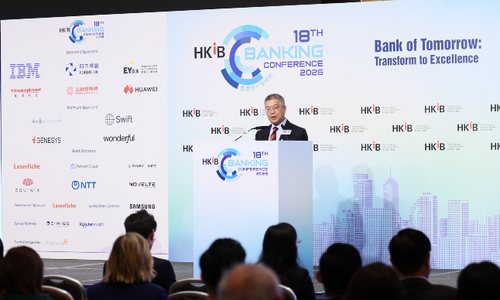
The findings were presented at HKIB's Annual Banking Conference 2026 in Hong Kong, which brought together more than 900 participants in person and online. This year's discussions focused on artificial intelligence, digital banking, tokenisation and changing customer engagement models.
Humans Still Matter
Despite growing adoption of AI, customers continue to place considerable importance on human oversight. Some 48 percent identified the ability to request human review or assistance as an important consideration when banks deploy AI. Another 44 percent cited strong protection of personal data.
The results highlight one of the challenges facing banks as they accelerate the use of generative AI and automation: customers may welcome the technology, but they continue to expect safeguards and access to human expertise.
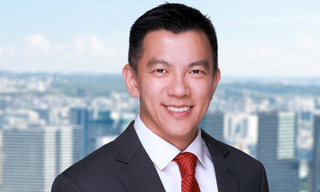
Arthur Yuen, Deputy Chief Executive of the Hong Kong Monetary Authority (HKMA) and Chairman of HKIB's Executive Committee, said accountability, resilience and trust must remain the foundations of the industry's transformation.
«The question is no longer whether banks should transform, but how they can do so responsibly and effectively,» Yuen said. AI, tokenisation and increasingly sophisticated data capabilities would create opportunities, but technology alone would not define excellence, he added.
Younger Customers Open to Tokenisation
The survey also points to growing interest in tokenised finance. More than 40 percent of respondents aged between 18 and 34 said they would consider regulated stablecoins or tokenised financial products if greater education and regulated access were available. [Press release] The 18th Annual Banking Conference Examines New Trends Shaping the Bank of Tomorrow.pdfPDF
The findings come as Hong Kong seeks to strengthen its position as an international financial centre through initiatives including fintech and tokenisation.
Speaking at the conference, Michael Wong Wai-lun, Hong Kong's Deputy Financial Secretary, said government priorities include strengthening the city's role as the world's leading offshore renminbi hub, advancing fintech and tokenisation, and developing a commodity trading ecosystem.
HSBC, Standard Chartered and Digital Banks Join Debate
Senior executives from several of Hong Kong's major banks also participated in the conference. A CEO panel included representatives from HSBC, Fubon Bank Hong Kong, Shanghai Commercial Bank and digital lender ZA Bank.
A separate transformation panel brought together executives from HSBC, Bank of China Hong Kong, Standard Chartered Hong Kong and WeLab Bank to discuss AI, infrastructure modernisation, operational resilience and changing banking models.
HKIB also launched a «Time Capsule» initiative inviting banking professionals to submit predictions for the industry in 2030. The submissions will remain sealed until then, when they will be compared with how the sector has actually evolved.