Singapore Treasurers Shift from AI Trials to Implementation
System integration and skills shortages remain the biggest barriers, despite strong expectations for AI’s usefulness.
Singapore treasury teams are moving from experimenting with artificial intelligence (AI) to implementing it in daily operations, but integration challenges and skills shortages remain major barriers, according to a new HSBC report.
The bank’s Redefining Treasury in Asia Pacific 2026 report found that 74% of Singapore respondents expect AI to be extremely or very useful within three years, down from 84% in the previous survey. The share expecting only limited usefulness rose from 13% to 24%.
Treasury teams are already using AI for reconciliation, invoice matching, forecasting and know-your-customer processes, the report found. But 70% of respondents cited system integration as a barrier to adoption, while 59% pointed to a lack of expertise.
Cybersecurity and technology risks were cited by 39% of respondents as obstacles to real-time treasury, while 38% identified budget approval and stakeholder support as challenges.
How to Make it Work in Practice
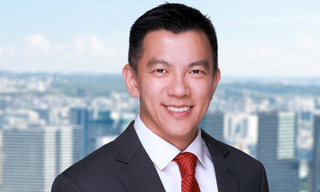
“Businesses are moving from asking whether AI and real-time treasury are important to how they can make them work in practice,” said Winnie Yap, HSBC Singapore’s head of Global Payments Solutions.
HSBC launched HSBC nio in September to help corporate and institutional clients integrate its banking services and data into their own systems and workflows. The platform offers API connectivity, digital banking services and a facility for clients’ AI tools to query authorised account and transaction information.
The bank plans to add further AI-enabled features, including Ask HSBC, which is designed to help clients query and interpret banking information.
The report draws on input from 680 treasury and finance professionals across 11 Asia-Pacific markets. HSBC also said it plans to hire more than 100 AI specialists and establish an AI Centre of Excellence in Singapore.