
IWD 2026: Understanding the Female Wealth Boom in Asia
finews.asia celebrates International Women’s Day by speaking to leaders in the wealth management industry about the rapid growth of female riches, behavioral differences in the segment and how to respond to this emerging opportunity.
The female client segment in wealth management is arguably a topic less discussed, relative to its potential opportunity. While the overall market size remains a fraction of their male counterpart, they are leading by a significant margin in terms of growth rate.
According to UBS’ «Billionaire Ambitions Report 2025», the average annual wealth growth of female billionaires has outpaced male billionaires since 2022, including a more than twofold difference last year of 8.4 percent compared to 3.2 percent, respectively.
Entrepreneurial Powerhouses
One major emerging trend has been wealth creation realized through entrepreneurship. Asia is noteworthy in this regard as the UBS report named the region as the global leader in self-made female billionaires.
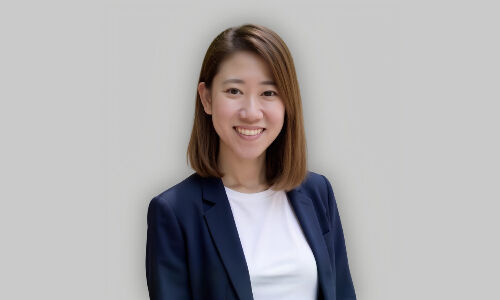
«Asia remains the fastest-growing region for new wealth creation, with a rising number of self-made billionaires, founders and business leaders,» commented Louisa Loo, head of wealth planning, Asia, Lombard Odier.
«Female entrepreneurship across the region has expanded meaningfully, supported by higher education levels, increased access to capital, and growing representation in fast‑growing industries such as technology, healthcare, sustainability, and consumer sectors.»
Changing Patriarchal Preference
But by far the top driver of changing asset ownership is the historic wealth transfer, with a 2024 report by Cerulli projecting that $105 trillion will flow to heirs through 2048. Aside from spousal transfers, an interesting observation once again in Asia has been the decision by an increasing number of supposedly patriarchal families to pass wealth into the hands of women rather than men.
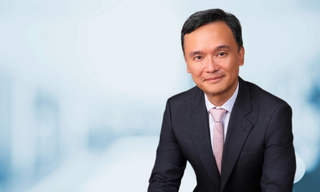
«Traditionally, especially in Asian families, sons were assumed to be the natural successors. But today, more families are choosing daughters – simply because they’re seen as the more capable or reliable stewards of wealth. Capability now outweighs tradition,» noted Yee Hoon Ho, senior vice president, Howden Private Wealth – Singapore, citing a renowned case in Hong Kong.
«A recent example is Charles Heung Wah‑keung, the Hong Kong entertainment tycoon. Even though he has two sons, he chose to leave the management of his wealth to his daughter‑in‑law, openly saying that his sons lacked business acumen and were vulnerable to being misled. For someone raised in a strongly patriarchal era to make such a statement publicly shows just how much things have changed.»
Unique Financial Behavior
Although the wealth management industry prides itself on being able to provide custom, one-of-a-kind solutions, there are also benefits to be gained by noticing patterns in certain subsets of clients and creating scalable offerings. This also applies to women who often have certain unique financial behaviors that are distinct from men.
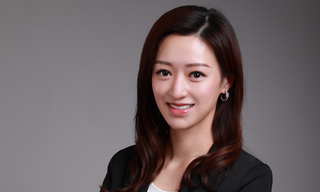
«While every individual may have different preferences and may not be easily generalized, based on my own experience, women investors may be more risk-averse and prefer wealth preservation approach to more aggressive or leveraged investments,» said Agnes Chow, a Hong Kong-based market head at Pictet Wealth Management.
«They appreciate relationship-based communication and education about the investment vehicles or strategies proposed. Women prefer to be well-informed along their investment journey. They are likely to seek comprehensive information before making investment decisions.»
Sustainable Investing
Women also show a strong preference for investing based on purpose and value. According to a 2023 Lombard Odier survey of female clients and business partners, nearly 60 percent of respondents indicated a preference for sustainable investments whenever possible.
«This reflects a broader tendency among women to align their portfolios with long-term resilience, responsibility and purpose, rather than focusing solely on short-term market dynamics,» Loo added.
Philanthropic Dominance
Outside of investing, another unique financial trait is the penchant for giving, with females playing a dominant role in philanthropy. According to Faye Ong, J.P. Morgan Private Bank’s head of philanthropy center for Singapore & Southeast Asia, women now influence or direct nearly 70 percent of wealth within philanthropy.
«Women’s growing control of wealth is reshaping philanthropy into a more strategic, outcome-oriented practice,» said Ong. «Unlike episodic gifts, their grantmaking tends to emphasize continuity, with multi-year commitments built on trust and sustained partnerships.»
Areas of focus in Asia vary depending on the specific market, including support for small and medium-sized enterprises in India, Southeast Asia and Thailand, financial inclusion in Indonesia, and STEM (science, technology, engineering, and mathematics) education in Singapore.
Serving the Segment
Financial institutions across the board realize the business opportunity from developing various initiatives to specifically serve the female segment.
Forming relevant content and events is one such way with Pictet running workshops that focus on financial literacy, investment strategies, and wealth transfer, specifically designed for women, as well as programs to empower the next generation of female wealth holders, helping them build confidence and skills in managing family wealth.
It may also help hire more female employees, with Lombard Odier partnering with ESCP Business School for a five-year research initiative called Women in Finance in December 2023 to address gender disparity in financial roles, and HR strategies to attract, recruit and retain women in finance.
«[M]any women feel more comfortable discussing sensitive topics like family dynamics, caregiving responsibilities, and long‑term security with someone who understands those experiences firsthand,» said Ho, who underlined that Howden was hiring more female advisors in response. «It naturally creates a more open and relatable environment.»