Independent Asset Managers Rival UBS
Persistent Diversity
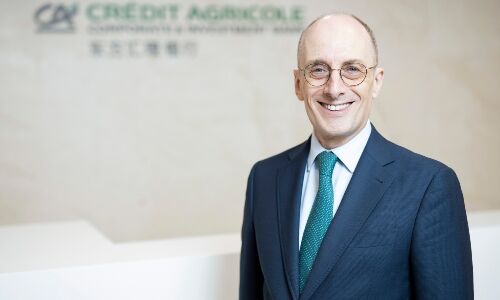
In his view, this entrepreneurial character explains the sector’s continued diversity. «There is still everything,» Furrer said, ranging from one-person firms to companies with 60 or 70 employees. Despite increasing regulatory pressure, it remains «possible even today for small firms to survive very well.»
At the same time, he pointed to operational realities. Many asset managers are caught between entrepreneurial ambition and growing complexity. «Entrepreneurs may not particularly enjoy administration,» Furrer noted, adding that the focus tends to be on clients, performance, and investments, while administrative matters are often neglected.
Relationships and Technology
A generational divide is also emerging. While established managers rely on long-standing personal relationships, younger firms articulate clearer technological requirements. «The future logically belongs to the younger generation,» Furrer said — although «young» in this industry means between 40 and 50, as building an independent business below that age is «extremely challenging.»
Stauber added in the subsequent panel that size alone is not decisive; rather, it is the ability to manage increasing complexity. His firm began building professional structures early on: «The founders started more than ten years ago to install professional management, where management members themselves do not serve clients.»
No Replacement by AI
Stauber also challenged the notion that larger asset managers drift away from traditional values. «Our model is not very different from that of a smaller asset manager,» he said, stressing that personal client coverage by relationship managers remains central.
In a similar vein, Patrick Cettier, founder of Prio Partners, emphasized the resilience of the business: «We will not be replaced by AI, because it is about very personal relationships.» Overall, he said, the sector is «in quite a good position.»
«We Owe It to Our Clients»
On consolidation, Cettier took a nuanced view. While there has been movement, particularly in succession solutions — «We have completed three very successful succession arrangements» — he stressed that «it is important that we solve this within our own industry.»
Manuela Rupf-Diethelm, managing partner at Alpique Swiss Wealth Partners, framed succession as a responsibility toward clients. It is surprising, she said, that many firms still delay this step: «We owe it to our clients» to develop viable solutions early on.
Opportunities for Agile Players
Marcel Schällebaum, who recently founded the IAM Montvalor, sees the coming decade as a period of profound change: «The next ten years are a massive opportunity» — at least for agile players.
A central debate revolved around growth and internationalization. Stauber, who had traveled from the Middle East, tempered expectations of capital inflows from the region. While staff had been relocated to Switzerland, «the money is still there.»
Stronger Voice in the Financial Center
At Aquila, growth is driven less by short-term geographic shifts than by structural factors such as recruiting new relationship managers and renewing the client base.
Alain Gallati of Pictet underlined the sector’s importance from a custodian bank perspective: «They are part of it, they are our partners.» With a market share of around 15 percent, IAMs represent «a significant part» of the financial center and should have a stronger voice.