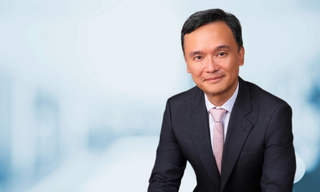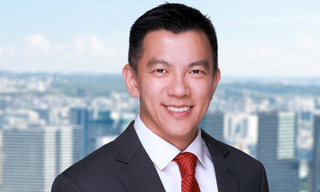
Alicia Garcia Herrero: «Iran, a Bigger Headache for China»
The ongoing crisis in Iran may pose a greater challenge for China compared to Venezuela, according to Natixis CIB’s Alicia Garcia Herrero, but there is a «potential silver lining» when it comes to Taiwan.
The ongoing US-Israel military campaign against Iran has major implications for China, which is its top trading partner. According to a note authored by Alicia Garcia Herrero, chief economist, Asia Pacific, at Natixis CIB, the situation with Iran is «a bigger headache for China than Venezuela».
«While Venezuela's fall under US influence disrupted China's access to Latin American oil and marked a symbolic setback for Beijing's alliances in the Americas, the strikes on Iran are much more important,» said Garcia Herrero.
Energy Security and Diplomatic Prestige
There are two key reasons in the Iran conflict cited as being of greater strategic importance to China compared to Venezuela.
Firstly, Iran accounts for a significant portion of Chinese oil imports (14 percent compared to Venezuela’s 4 percent). Iran also lies in the center of alternative trade routes with the China-Pakistan Economic Corridor and the port of Gwadar able to help bypass the Strait of Malacca, if needed, and potentially, even the Strait of Hormuz for Iranian oil.
Secondly, Iran is crucial for China's diplomatic prestige and leverage in the great-power rivalry with the United States, not only for the Middle East but also the Global South.
Taiwan: «Potential Silver Lining»
However, Garcia Herrero believes that there may be a «potential silver lining» for China when it comes to the Taiwan matter. Firstly, the cost of the ongoing military operation has yet to be determined and could be portrayed as reckless if US President Donald Trump falters. Second, Chinese President Xi Jinping may already be requesting compensation for restraint, with a $13 billion arms sale to Taiwan already being postponed by the White House.
«In sum, Iran's crisis is China's Venezuela on steroids and with even bigger uncertainties on how it may affect US-China strategic competition. While it may hurt Beijing in the short term when it comes to energy security and its diplomatic sway on the Middle East and the Global South more generally, it could also bring windfalls,» Garcia Herrero concluded.
«This is not only because Trump's risky operation may fail but also because of the potential high price he might need to pay for China's acquiescence. Throwing Taiwan under the bus in order for a quick gain in Iran, limiting China's access to cheap energy would clearly be too high a price to pay than Trump may have realized or cared about.»