Asia’s Wealthiest Families Take a Distinctive Approach to Giving
Asia’s wealthiest families are taking a distinctive approach to philanthropy, shaped by the relative newness of their fortunes and their continued control of the businesses that created them, according to new research by The Bridgespan Group.
The study, which examines 186 of the world’s wealthiest individuals and families across 20 economies in Asia, Africa, Europe and the Americas, comes as an estimated US$74 trillion is expected to change hands between generations over the next 20 to 25 years.
The research finds that about 94% of Asia’s wealthiest families are first- or second-generation wealth holders, compared with roughly 85% in high-income economies outside Asia. At the same time, approximately 95% of Asian families continue to control the businesses that generated their wealth, compared with about 68% elsewhere.
Those characteristics can make philanthropy closely intertwined with business ownership, succession planning, government relationships, reputation and broader questions of family stewardship, the report says.
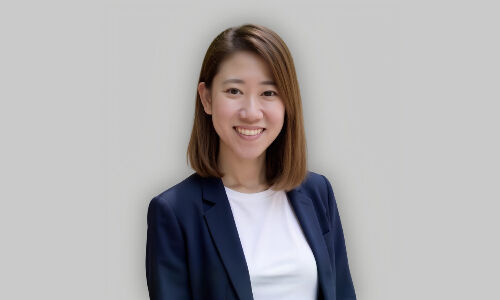
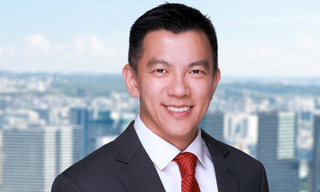
«Family philanthropy is becoming increasingly important as private wealth continues to grow,» said Xueling Lee, a co-author of the study and partner at Bridgespan. The research, she said, aims to address a gap in understanding how wealthy families structure their giving and pursue impact.
Education and health remain priorities
Despite regional differences, wealthy families around the world tend to concentrate their giving on similar areas. Education, health, and support for marginalised and vulnerable populations are among the leading causes supported globally.
Asian families, however, are more likely than their counterparts in other regions to support elderly care, religion and sports. Wealthy families elsewhere more frequently fund science and technology initiatives, including work related to artificial intelligence.
The research also highlights a significant gap in how philanthropic impact is measured and communicated.
More than 80% of Asian families publicly report outputs from their philanthropy — such as the number of schools built or teachers trained. But reporting on outcomes, such as improved learning or graduation rates, remains relatively uncommon, including among wealthy families in other regions.
Among high-income families outside Asia, only about 45% publicly report outputs from their giving.
The report highlights families’ ability to take long-term risks, bring partners together and deploy different forms of capital. Examples include Singapore’s Lien Foundation’s decade-long work in early childhood development and a Philippine school-feeding partnership supporting nearly 25,000 children in 250 schools.
The research was supported by Bridgespan’s Funders Council, comprising the Institute of Philanthropy, The Rockefeller Foundation and the Gates Foundation, with contributions from the Financial Services Development Council and the Wealth Management Institute.