
Faye Ong: Female Wealth Control is «Reshaping Philanthropy»
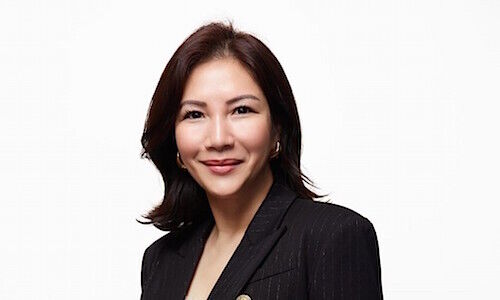
One of the most consequential trends behind the growing control of wealth by females is their penchant for giving back. In an interview with finews.asia, J.P. Morgan Private Bank’s Faye Ong talks about how women are «reshaping philanthropy» with their differentiated approach and thematic focus.
Women worldwide are increasingly accumulating wealth through various means, including wealth transfers, both intergenerational and spousal, entrepreneurship and dual-income households. While they now control around 40 percent of global wealth, according to a finews.asia interview with J.P. Morgan Private Bank's Faye Ong, they are an even more dominant force in philanthropy, influencing or directing nearly 70 percent in this space.
«Women’s growing control of wealth is reshaping philanthropy into a more strategic, outcome-oriented practice,» said Ong, who is the American private bank’s head of philanthropy center for Singapore & Southeast Asia. «Unlike episodic gifts, their grantmaking tends to emphasize continuity, with multi-year commitments built on trust and sustained partnerships.»
Differentiated Approach
In terms of their approach, Ong observes some distinct characteristics, such as significant time devoted to due diligence, desire for clear theories of change, credible milestones, transparent reporting, incorporation of beneficiary feedback and collaboration to share expertise and spread diligence costs.
This is symptomatic of philanthropic ambitions that are about delivering results rather than a feel-good exercise.
«Their funding decisions frequently target systems-level change, focusing on root causes such as policy reform, education-to-employment pathways, and institutional capacity rather than isolated projects,» Ong explained. «Women are also open to calculated risks, piloting new approaches with staged commitments tied to measurable outcomes, while remaining willing to discontinue initiatives that ultimately see little to no impact.»
Preferred Themes
On thematic areas of focus, Ong notes global interest in education, women’s health, child welfare and community services. In Asia, this can vary depending on the specific market.
«China’s digital ecosystem has fostered women entrepreneurs who bring data-driven rigor to philanthropy, while India and Southeast Asia are seeing strong growth in women-owned small and medium-sized enterprises (SME) despite uneven capital access,» Ong detailed.
«Indonesia’s philanthropic landscape intersects with financial inclusion, Malaysia is focusing on systemic change in the legal profession, Thailand is innovating with flexible finance for women-led SMEs and refugee support, and Singapore is prioritizing women’s mental health and STEM education pathways.»
From Theory to Practice
To serve the specific needs of such female clients in philanthropy. J.P. Morgan Private Bank begins with learning about values and lived experiences, and translating them into focused theses. It offers a broad menu of blended capital instruments, grants, recoverable grants, guarantees, outcomes-based contracts, and venture philanthropy. To fulfil the appetite for collaboration, it curates peer networks, giving circles, and donor collaboratives.
The bank also has a strong emphasis on family governance with tools that help formalize purpose statements, decision rubrics, and next generation engagement through grant committees and site-based learning.
«In practice, this means offering discovery workshops, curated partner shortlists, collaborative pathways, and next-gen education programs, ensuring that philanthropy is values-driven, impact-measured, and sustainable across generations,» Ong added.