DBS Launches First Synthetic Securitisation
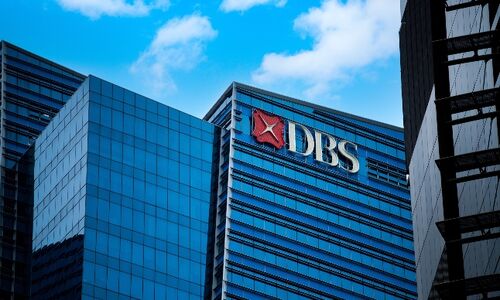
DBS has completed Singapore’s first synthetic securitisation, transferring credit risk on a USD 1 billion corporate loan portfolio to free up capital for future lending across Asia.
DBS has completed the first synthetic securitisation transaction by a Singapore bank, marking a milestone in the development of the city-state’s capital markets while expanding the lender’s capacity to finance clients across Asia.
The transaction references a diversified portfolio of corporate loans worth USD 1 billion and forms part of the bank’s broader capital management strategy. While DBS retains ownership and servicing of the underlying loans, part of the associated credit risk is transferred to investors, reducing the regulatory capital required against the portfolio.
Optimising Capital Allocation
Synthetic securitisations, also known as Significant Risk Transfer (SRT) transactions, are widely used by leading international banks to optimise capital allocation while maintaining lending capacity. By freeing up regulatory capital, DBS will be able to redeploy resources into new financing opportunities as it continues to expand across the region.
Although the bank’s capital ratios remain comfortably above regulatory requirements, the transaction adds a new tool to its capital management framework. DBS said it expects the inaugural deal to establish the foundation for selectively executing additional SRT transactions in the future.
Preparing for the Next Growth Phase
Philip Fernandez, Group Corporate Treasurer at DBS, said the transaction strengthens the bank’s ability to maintain balance sheet discipline while supporting future growth. He added that introducing an internationally established risk management structure also contributes to the continued development of Singapore’s financial markets.
The deal represents another step in DBS’ efforts to broaden access to sophisticated capital markets solutions in Asia. It also follows the bank’s history of introducing new funding structures to Singapore, including its pioneering role in the domestic covered bond market.
For investors, the transaction provides exposure to a diversified portfolio of corporate loans without requiring the bank to sell the underlying assets, illustrating the growing use of structured credit techniques in Asia’s banking sector.