Rising Costs Eroding Financial Resilience Across Region
Families across Asia are facing mounting financial pressure as persistent inflation and rising living costs weaken household resilience, according to Sun Life Asia's latest Financial Resilience Index released on Tuesday.
The survey found that 83% of respondents say inflation has made it harder to cover monthly expenses, with grocery prices, utilities, transport fuel, cooking fuel and healthcare among the biggest cost burdens. Nearly half (48%) identified rising costs as the main obstacle to gaining control of their finances.
The report shows a decline in financial resilience across the region, with the proportion of highly resilient households falling to 25% in 2026 from 32% a year earlier. Only 13% of respondents said they feel fully secure about their financial situation, down from 19% in 2025.
Making Short-Term Financial Sacrifices
To cope with higher expenses, many households are making short-term financial sacrifices. One in four respondents reported drawing down savings, 27% said they had reduced or skipped essential spending, and 10% had paused retirement contributions. More than half (55%) have no financial plan beyond one year, while 61% said they could not manage for more than six months without external financial support if they lost their job or became ill.
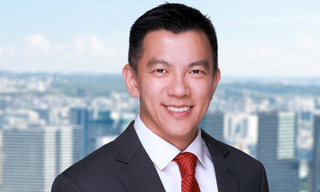
Sun Life Asia Chief Client and Distribution Officer David Broom said rising costs are reshaping financial behaviour, pushing many people to focus on immediate needs at the expense of long-term financial security.
The study also highlighted the importance of financial literacy. Households with stronger financial knowledge were significantly more confident and optimistic about their financial future and less likely to experience financial stress. While the use of generative AI for financial advice surged to 60% from 18% last year, the report found that greater access to information alone does not necessarily improve financial preparedness.
Broom said professional financial advice remains critical in helping people balance short-term pressures with long-term financial goals amid ongoing economic uncertainty.