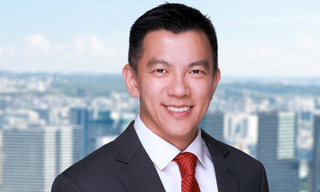
Norman Villamin: US-China Rivalry About «Resource Nationalism»
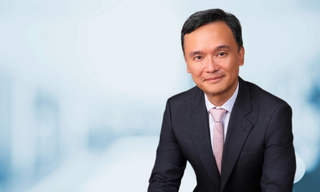
The competition to secure resources is one of the key drivers behind US-China tensions and investors should position their portfolios accordingly, said UBP’s top strategist Norman Villamin.
Geopolitical risks have become a topic early in 2026 with US military action in Venezuela to remove President Nicolas Maduro and Donald Trump following up soon after with threats of taking Greenland. According to Norman Villamin, group chief strategist at Union Bancaire Privée (UBP), the conflict areas around the world in recent years, including Ukraine, all relate to the US-China rivalry.
«One of the things you will realize is just about all of them involve competition for resources,» he explained at a media conference. «
«When Trump came in, tried to make peace [in Ukraine but] hasn't been successful. But what did he do? Signed a minerals deal with Ukraine. Trump goes in, kidnaps the Venezuelan president. And what did he talk about? We want an energy deal. Greenland? Obviously, the Arctic – very important. South China Sea for China? Again, shipping and resources.»
AI Infrastructure Chain
Villamin notes that the competition, which he calls «resource nationalism», is part of broader plans for supporting the artificial intelligence (AI) infrastructure chain.
Examples include rare earths for manufacturing key components or silver for powering green technologies.
Investing Under the New World Order
Under such a framework, UBP expects the outlook to be supportive for equities in 2026. On AI, it believes that it is too early to get off the train with hyperscalers offering the most revenue growth visibility, though AI models have become riskier. Outside of AI, investors are advised to diversify to other structural growth beneficiaries at cheaper valuations, including China tech, utilities, materials and healthcare.
Still, the bank believes it is necessary to hedge for such risks related to resource nationalism and geopolitical tensions generally with a positive view on the secular upward trend of gold.
«The world is moving to a new framework. The status quo that all of us have known for the last two decades is likely finished,» Villamin added. «And so what we're moving towards is what we think is going to be a more polarized world order that is essentially characterized by two poles: the United States and China.»