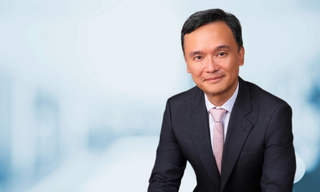
Gerald Goh: «2026 is the Inflection Point» for Tokenization
Various factors are driving increased demand for tokenized assets among Asia's ultra-rich with 2026 expected to be a landmark year for adoption, according to Sygnum’s Gerald Goh in a newly launched report.
By the end of 2026, family offices and ultra-high net worth individuals in Asia Pacific are forecasted to hold 15-25 percent of their liquid reserves in stablecoins and tokenized yield-bearing assets as a core cash management solution akin to traditional money market funds, according Sygnum Singapore CEO Gerald Goh in a report entitled «The Sygnal».
While 60 percent of APAC high net worth individuals (HNWI) already transact in stablecoins, only 33 percent use them for yield generation. However, demand is on the rise with interest in tokenized assets increasing from 6 percent to 26 percent year-on-year.
«With average digital asset allocations around 17 percent of total investable wealth among surveyed HNWIs, the infrastructure for tokenized treasury transformation already exists – it is just waiting for the right catalysts,» Goh said.
Three Convergent Forces
According to Goh, «2026 is the inflection point» due to three convergent forces that will accelerate adoption.
First is regulatory legitimacy with authorities throughout Asia advancing digital asset frameworks, including Singapore, Vietnam and South Korea. Second, tokenized assets are being integrated in banking settlement rails, which could address top priorities such as custody and security assurances. Third, tokenized instruments can generate yield sustainably with more predictable returns supported by verifiable underlying assets and cash flows, in contrast with non-transparent DeFi yields.
«2026 marks the year tokenization stops being 'alternative' and becomes widely accepted treasury practice. The question isn't whether tokenized treasury assets reach 15-25 percent of liquid reserves – it's which institutions will have the infrastructure ready to capture that flow when regulatory clarity removes the last barrier to adoption,» Goh added.